Bali Wine Coffee
Original price was: $7.78.$6.18Current price is: $6.18.
90 in stock
Description
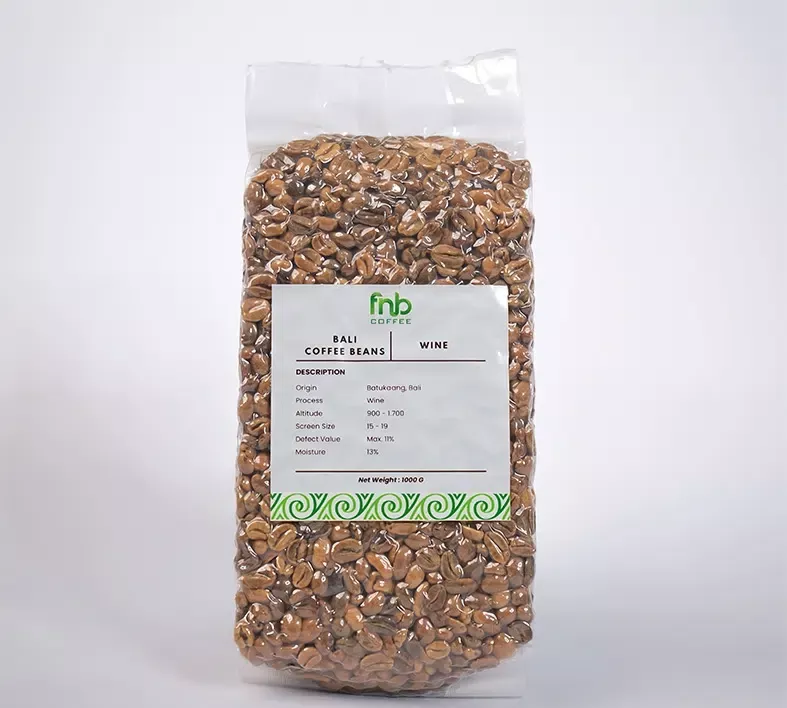
About Bali Wine Coffee
Bali Wine Coffee, a rare and innovative specialty coffee, is produced primarily in the highland region ofKintamani, Bangli Regency, Bali. This area, with its volcanic soil and cool climate at elevations of 1,300-1,400 meters above sea level, provides an ideal environment for cultivating the coffee cherries that becomewine coffee beans.
Its profound uniqueness lies in itspost-harvest processing method. The beans, often from theArabica varietals, undergo an anaerobic fermentation process inspired by winemaking.
This creates complexfruity, wine-like acidity and sweet notes of berry, plum, and sometimes even chocolate, with a remarkably smooth, low-bitterness body and a distinctive aromatic profile.
This innovative method is a testament to Bali’s creative approach to specialty coffee, transforming locally grown beans into a globally unique cup.
Origin, Altitude, and Processing Context
Bali has earned recognition as one of Indonesia’s key Arabica origins, thanks to its volcanic soil and elevated growing regions. Bali Wine Coffee comes from farms at approximately 1,300–1,400 m, where cooler temperatures and rich soil help develop sweetness and structure in the beans. This elevation also supports slower cherry maturation, which is important for achieving the complex fruit characteristics associated with wine processing.
Wine processing refers to fermentation practices designed to intensify fruit and wine-like notes in the cup. While details can vary by producer, the core idea is to carefully manage how coffee cherries ferment before drying and hulling.
For roasters and importers, the practical impact is a green coffee that can deliver a winey, complex fruit profile when roasted thoughtfully, whether for filter, espresso, or special single-origin releases.
Flavor Profile and Roasting Potential
On the cupping table, Bali Wine Coffee is characterized by winey and complex fruit notes, supported by medium body and medium acidity (both rated at level 3 on a simple scale). Instead of an overpowering or unpredictable cup, the goal is a balanced expression where fruit complexity and structure can be tuned through roasting.
For lighter roasts, roasters can aim to highlight the winey aromatics and layered fruit expression, which may suit filter brews and tasting menus. At medium roast levels, the coffee can offer a more rounded profile, where fruit, sweetness, and body align for espresso or milk-based drinks. In blends, Bali Wine Coffee can act as a character component that adds complexity and a distinctive Bali identity to multi-origin profiles.
Because wine-processed coffees can respond differently to heat and airflow, your roasting team may wish to test several profiles before finalizing production curves. Samples and cupping data for specific lots can be requested so you have a reliable baseline to work from.
Specification Table
| Specification | Detail |
|---|---|
| Product name | Bali Wine Arabica Coffee |
| Origin | Bali, Indonesia |
| Production area | Kintamani/Bangli, Bali |
| Altitude | 1,300–1,400 m |
| Species | Arabica |
| Processing | Wine Process |
| Flavor notes | Winey, complex fruit |
| Body | Medium |
| Acidity | Medium |
| Available forms | Green beans, roasted beans, powder |
| Screen size | 15–19 |
| Moisture | Maximum 13% |
| Triage | Maximum 6–8% |
| Defect value | 6–8, as per sample |
| Cupping score | 84+ |
| Certifications | Fair Trade, Organic, USDA, Rainforest Alliance, Halal |
| Wholesale MOQ | 1 MT |
| Packaging | GrainPro liner |
| Sample availability | Available by request |
| Export documents | Subject to order and destination |
Related products
-
- Sale!
- hot sale
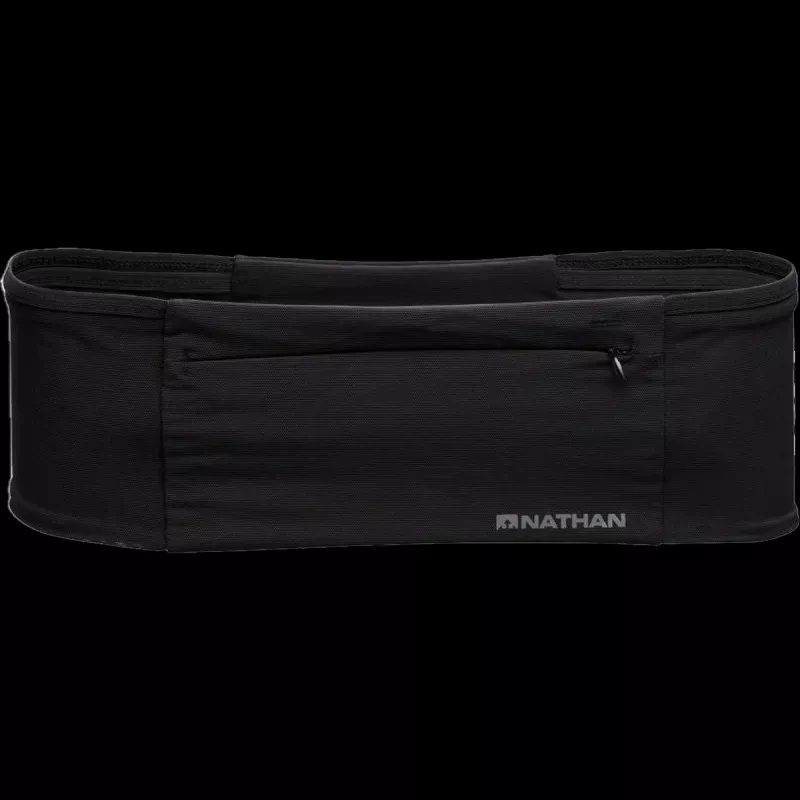
The Zipster Max|Black|XXS&XS&S&M&L&XL
- Original price was: $21.12.$14.70Current price is: $14.70.
- Add to cart
-
- Sale!
- hot sale
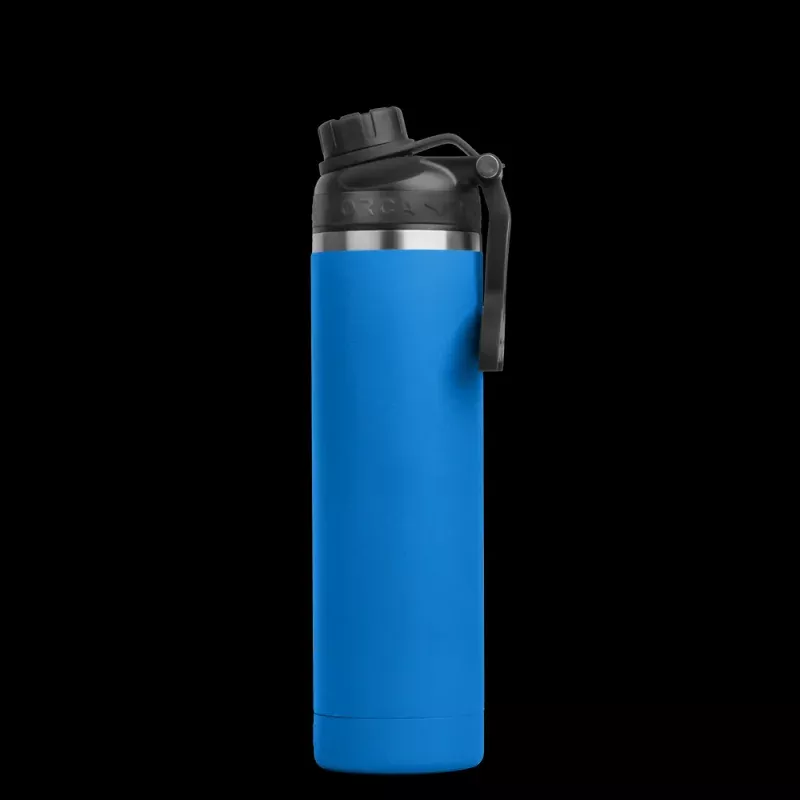
Hydra | 22 oz Bottle|Black&Stainless Steel&Pearl&Tan&Azure&Gloss Hot Pink&Matte Maroon
- Original price was: $20.15.$11.59Current price is: $11.59.
- Add to cart
-
- Sale!
- hot sale
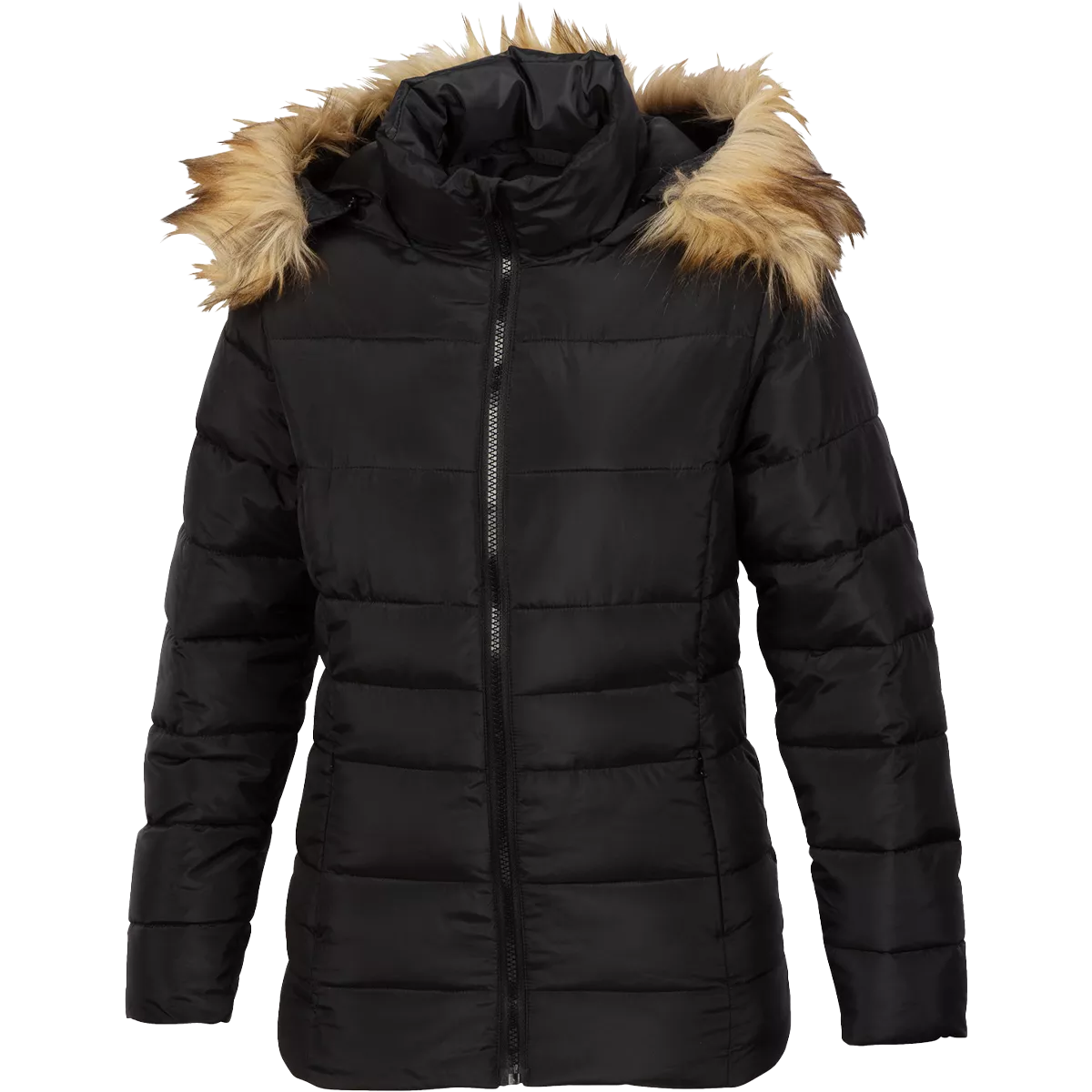
Women’s Luna Insulated Synthetic Down Jacket
- Original price was: $32.00.$16.32Current price is: $16.32.
- Add to cart
-
- Sale!
- hot sale
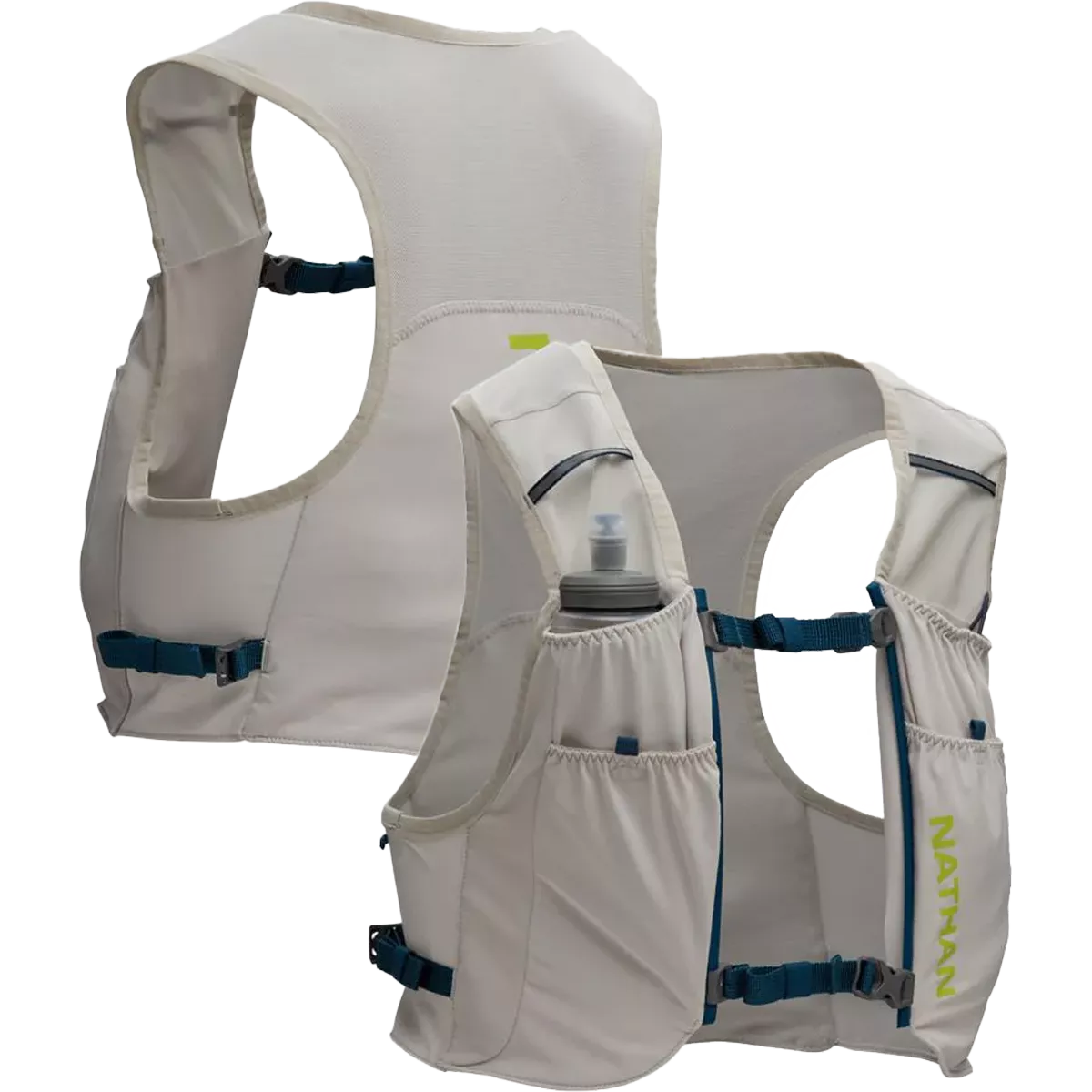
Pinnacle FeatherLite 1.5L|Vapor Grey|XXS-XS&S-M&L-XL&XXL
- Original price was: $44.00.$26.73Current price is: $26.73.
- Add to cart
-
- Sale!
- hot sale
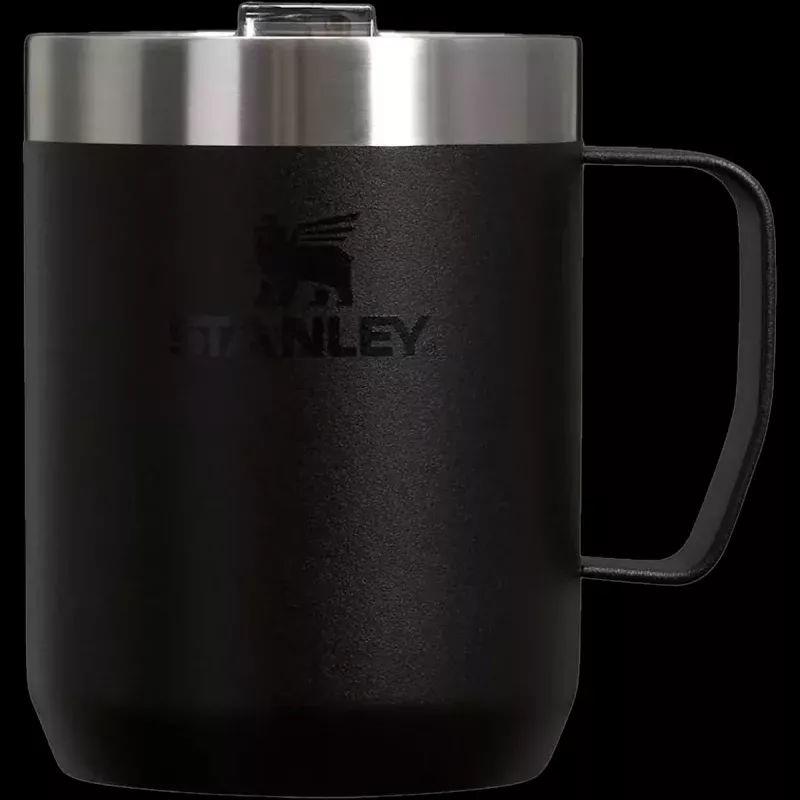
Stay-Hot Camp Mug – 8 oz|Black 2.0&Cream Gloss
- Original price was: $8.64.$5.93Current price is: $5.93.
- Add to cart
-
- Sale!
- hot sale
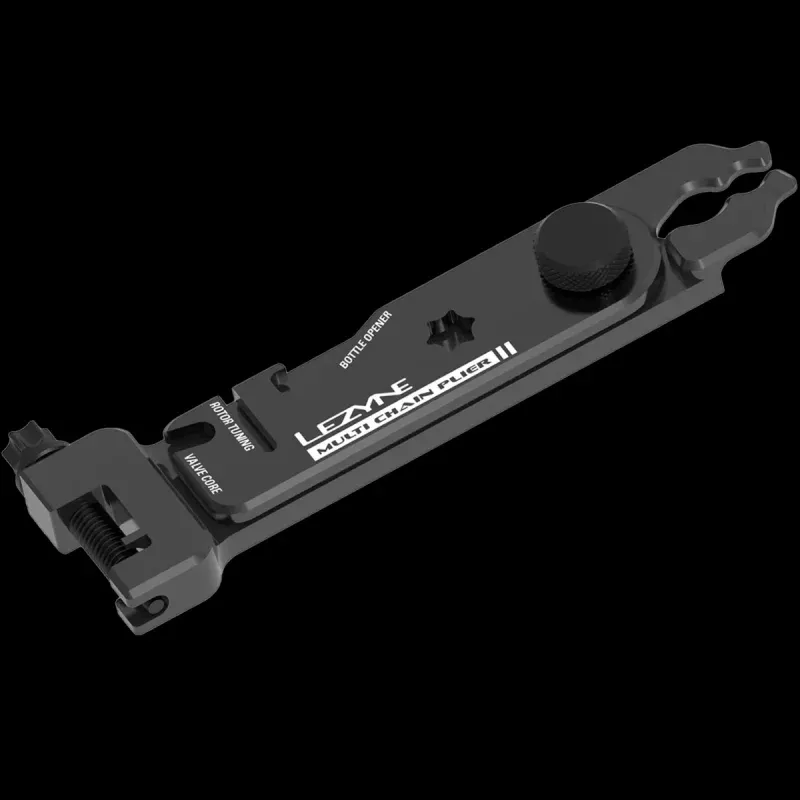
Multi Chain Pliers|One|One Size
- Original price was: $21.59.$14.36Current price is: $14.36.
- Add to cart
-
- Sale!
- hot sale
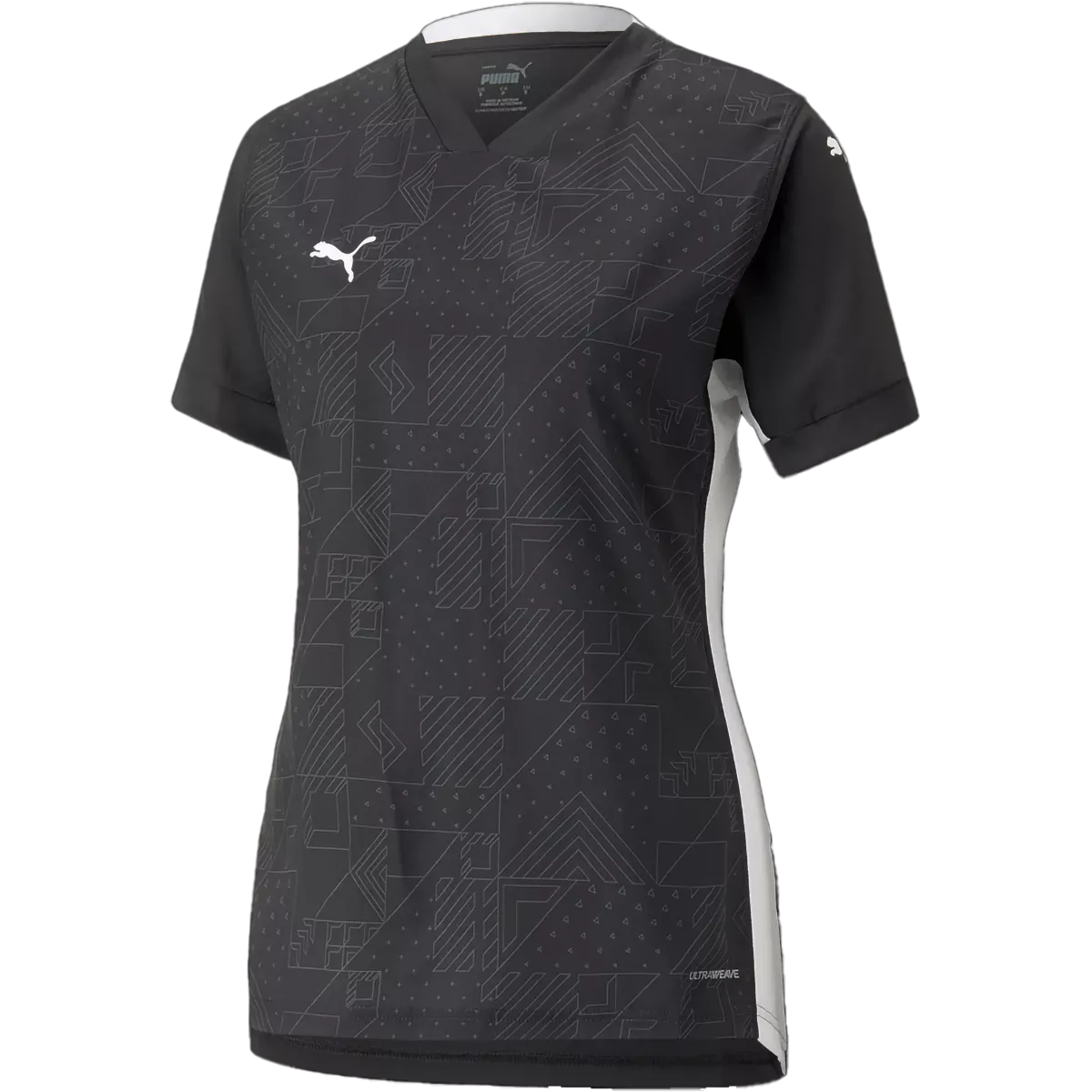
Women’s Teamcup Jersey|03-Black|XS&S&M&L
- Original price was: $14.40.$10.57Current price is: $10.57.
- Add to cart
-
- Sale!
- hot sale
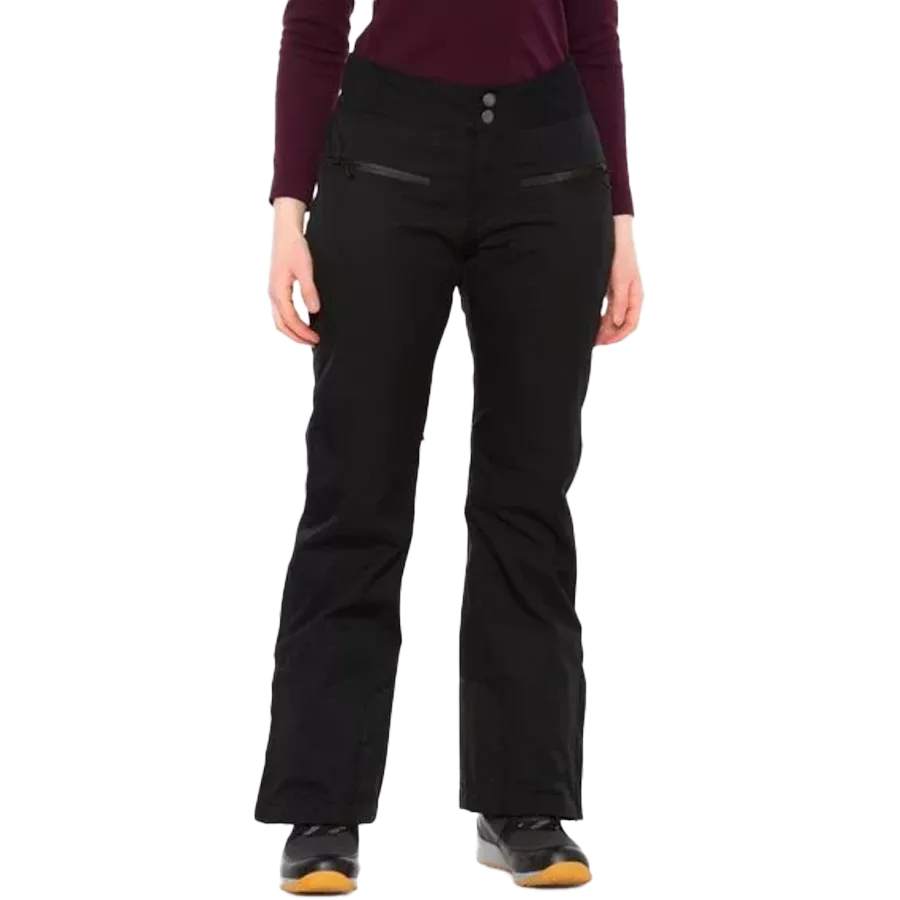
Women’s Trax Pant 2.0|Black|XS&S&M&L&XL
- Original price was: $40.00.$30.86Current price is: $30.86.
- Add to cart