
Lavender Flowers, Whole|2 Ounce&2 Ounce Tin&1 Pound
Original price was: $21.50.$11.01Current price is: $11.01.
52 in stock
Description
(Lavandula officinalis) Lavender is a flowering perennial herb that is native to the Mediterranean, primarily Spain and France. While it is now cultivated in many other places, a vast amount of the lavender available for purchase today is still grown in France. Lavender has been used for both cosmetic and culinary purposes for thousands of years.
These beautifully fragrant flowers can be found in lotions, soaps, eye pillows, bath blends, massage blends and more. Muslin bags filled with lavender make a fabulous sachet for your clothing drawer or in the dryer to infuse your clothes with this heady smell.
A popular French blend of herbs for cooking, called Herbes de Provence, sometimes contains lavender flowers and is used on chicken, vegetables and meat. Lavender also enhances tea, cookies, cakes and more.
Brew 1 tsp of herb in 1 cup of water at 212 – steep for 5 minutes.
LAVENDER SHORTBREAD COOKIES
1 cup butter, softened1 tsp vanilla extract3/4 cup confectioner’s sugar2 cups all-purpose flour1/2 tsp salt2 tsp. ground lavender flowers
Blend the softened butter in an electric mixer. Add the sugar and vanilla and blend until smooth.
Mix the flour, salt and ground lavender. Gradually add this blend to the butter/sugar and mix until the dough comes together.
Place dough on a sheet of waxed paper, roll into a log (approx. 2.5″ in diameter) and tightly seal. Refrigerate for at least 30 minutes.
Heat oven to 375 and grease a cookie sheet.
Slice the log into 1/3″ cookies, place on cookie sheets, and bake until the edges are a golden brown.
Lavender Uses
- Substitute for rosemary in many bread recipes
- Put the flowers in sugar and seal tightly for a couple of weeks. Use this sugar in your favorite dessert recipes.
- For a professional finish, use to garnish ice cream, cakes, and more.
- Mix with softened butter to use on scones, cakes, etc. You can also blend lavender and butter with savory herbs (such as parsley, thyme, tarragon, chives) or garlic to use on a variety of dishes ranging from poultry to vegetables.
Lavender Massage Oil cup almond or canola oil1 Tbsp lavender flowers
Mix together the lavender and the oil.
There are a few methods for infusing the lavender aroma into the oil. You can either:Place the mixture in a glass jar, seal, and put in a sunny place for 2 weeks. Shake at least once a day. After 2 weeks, strain the herbs from the oil. OrHeat the mixture gently in the microwave or in a double boiler on the stove. Do not boil. Cool. Strain the herbs from the oil.
Lavender Salad DressingIngredients6 Tbsp. Extra Virgin Olive Oil2 Tbsp. Balsamic Vinegar1 Tbsp. Lemon or Lime Juice1 clove garlic, minced1 tsp. Whole Grain Mustard2 Tbsp. Honey1 tsp. Dried Lavender Flowers
Use a blender or whisk all ingredients. Enjoy!
Lavender Lemon Bundt Cake
Recipe from Sweet Miniatures by Flo Braker
Cake Ingredients:
3 cups cake flour1 1/2 tsp baking powder1 tsp baking soda1/4 tsp salt16 Tbs. (2 sticks) unsalted butter1 1/2 cups granulated sugar1 Tbs. dried lavender flowers4 eggs, lightly beaten1/2 tsp. pure lemon extract1 cup plain yogurt1 Tbs. finely grated lemon zest
Glaze:2 Tbs. honey1/2 cup sifted confectioners’ sugar, plus more for dusting1 Tbs. lemon juice
Directions:
Have all the ingredients at room temperature.
Position a rack in the lower third of an oven and preheat to 325F. Grease and flour a fleur-de-lis cake pan or a 10-cup Bundt pan; tap out excess flour.
To make the cake, over a sheet of waxed paper, sift together the flour, baking powder, baking soda and salt; set aside.
In the bowl of an electric mixer fitted with the flat beater, beat the butter on medium speed until creamy and smooth, about 30 seconds. Add the granulated sugar and lavender and continue beating until light and fluffy, about 5 minutes, stopping the mixer occasionally to scrape down the sides of the bowl. Add the eggs a little at a time, beating well after each addition, then beat in the lemon extract.
Reduce the speed to low and add the flour mixture in three additions, alternating with the yogurt and beginning and ending with the flour. Beat each addition until just incorporated, stopping the mixer occasionally to scrape down the sides of the bowl. Using a rubber spatula, fold in the lemon zest.
Spoon the batter into the prepared pan, spreading the batter so the sides are higher than the center. Bake until the cake begins to pull away from the sides of the pan and a toothpick inserted into the center of the cake comes out clean, about 1 hour. Transfer the pan to a wire rack and let the cake cool upright in the pan for 15 minutes.
Meanwhile, make the glaze: In a small saucepan over low heat, warm the honey until runny. Place the 1/2 cup confectioners’ sugar in a small bowl, add the honey and lemon juice and stir to blend.
Set the rack over a sheet of waxed paper, invert the pan onto the rack and lift off the pan. Using a pastry brush, brush the cake with the glaze. Let the cake cool completely, at least 2 hours, before serving. Dust with confectioners’ sugar just before serving.
Please Note: The information given here has not been evaluated by the Food and Drug Administration and is not intended to diagnose, treat, cure or prevent any disease.
Related products
-
- Sale!
- hot sale
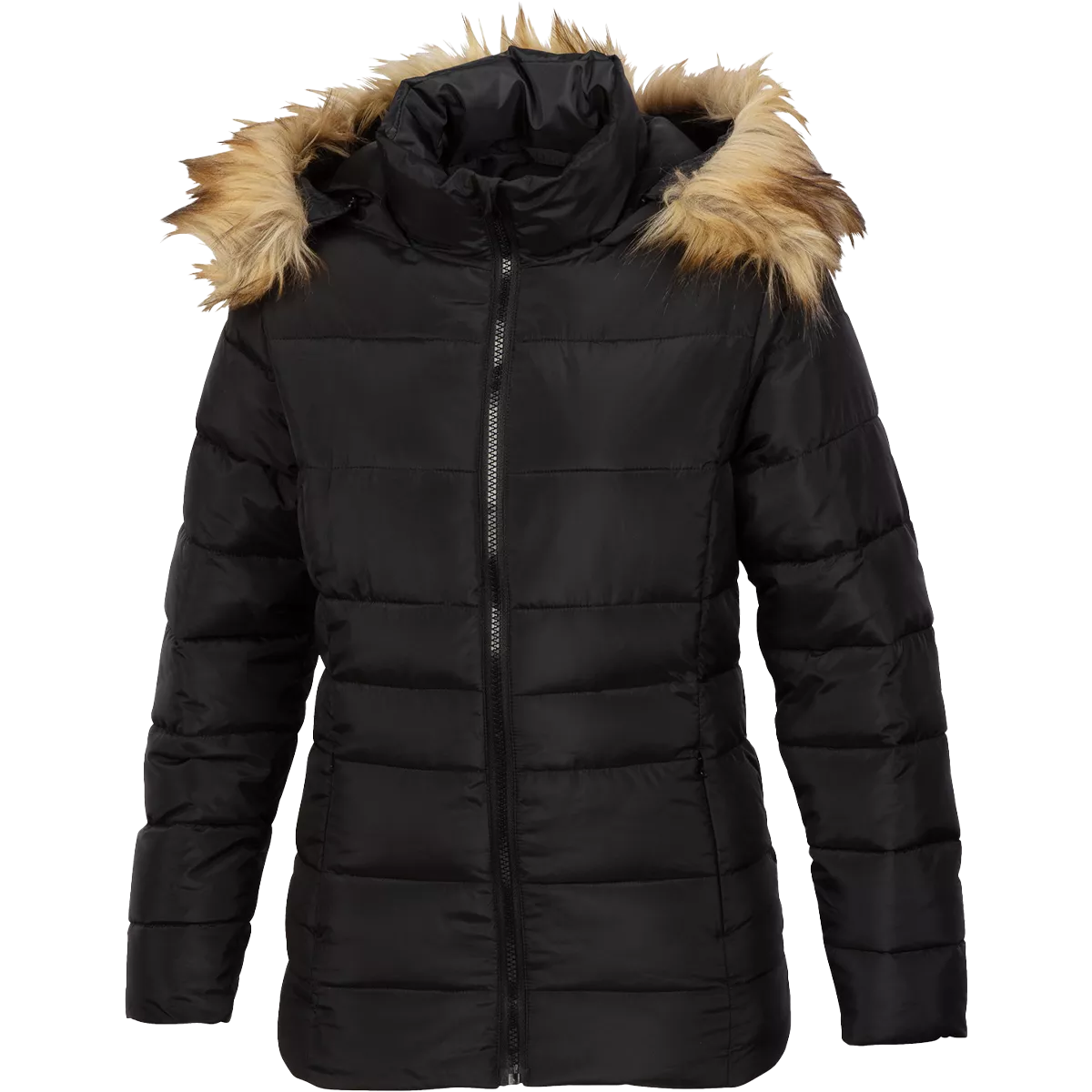
Women’s Luna Insulated Synthetic Down Jacket
- Original price was: $32.00.$16.32Current price is: $16.32.
- Add to cart
-
- Sale!
- hot sale
Colombia El Vergel Java Natural
- Original price was: $4.32.$2.54Current price is: $2.54.
- Add to cart
-
- Sale!
- hot sale
Women’s Luxara Bralette|Stormy Night Crosswind|XS&S&M&L&XL
- Original price was: $12.00.$6.29Current price is: $6.29.
- Add to cart
-
- Sale!
- hot sale
Colombia Altos de Quitumpamba Chiroso
- Original price was: $2.64.$1.89Current price is: $1.89.
- Add to cart
-
- Sale!
- hot sale
Guatemala Finca Libano Gesha
- Original price was: $2.64.$1.41Current price is: $1.41.
- Add to cart
-
- Sale!
- hot sale
Gilded Tumbler | 10 oz|Clear
- Original price was: $10.74.$8.03Current price is: $8.03.
- Add to cart
-
- Sale!
- hot sale
Barrel | 12 oz. Insulated Tumbler
- Original price was: $6.62.$5.29Current price is: $5.29.
- Add to cart
-
- Sale!
- hot sale
Colombia El Vergel Yirgacheffe Natural
- Original price was: $4.32.$2.91Current price is: $2.91.
- Add to cart